Dental Trauma Treatment
Dr. Kelly Jobe | Pediatric Dentist | St. Louis, MO
Dental Trauma Treatement
If your toddler has toddled too hard, or your child fell, had a sports injury or rough-housed a little too much, you might be dealing with an injured tooth. Tooth injuries in kids are very common – so common that almost 50% of children will get a tooth injury during childhood. That’s why we dentists have a love / hate relationship with skateboards…
But don’t worry! We’ll give you the info you need to prep the injury, so that a dentist can more effectively fix the problem. We will also tell you what treatment options are available, depending on the injury, age of the child and whether it’s a baby or adult tooth.
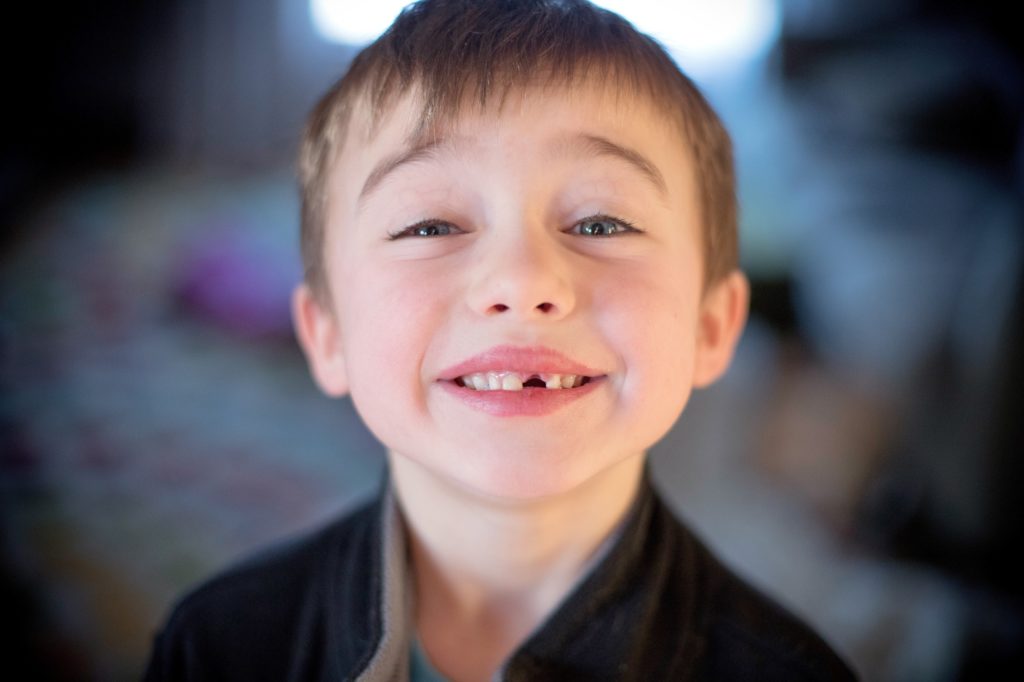
Step 1: Call us!
We will give you steps to take to take care of some of the most common dental emergencies, but your first step is always to call us! We will give you specific instructions over the phone on what to do before you bring your child in. That will be much faster than trying to Google what to do while your child is in pain or bleeding.
Instructions for your specific situation will also vary based on the injury, age of your child and whether it’s an adult or baby tooth, so it’s always best to call.
If your child doesn’t have a dental emergency right now, it might be a good idea to print out these steps and stick them on your fridge. That way you can be prepared in case of a knocked
Knocked out tooth
If your child’s tooth is completely knocked out (tooth avulsion):
- Find the tooth
- Take the tooth by the crown (the chewing end, not the root) and rinse it with water (no soap)
- Place the tooth in a clean container filled with milk or your child’s saliva
- Call us immediately
If your child’s baby tooth got knocked out, it might be tempting to just leave it be and not call a dentist. But baby teeth are extremely important! When a baby tooth is knocked out prematurely, that can cause adult teeth to emerge in the wrong place or out of alignment. Be sure to give us a call so that we can prevent this from happening.
If your child’s adult tooth got knocked out, the tooth has a better chance of being saved if it gets replaced within minutes. That’s why it’s important to follow the above steps, and call a dentist immediately.
Loose tooth
If your child’s tooth is loose, it’s usually best to remove the tooth so that your child doesn’t accidentally choke on it while sleeping.
Broken tooth
If your child has a broken, chipped or fractured tooth, rinse their mouth out with warm water, then use a cold compress to ease any pain and reduce swelling. Try to find the missing tooth fragment, and be sure to call us.
General injuries to the mouth or gums
If your child’s teeth or gums get injured:
- If the area is bleeding, apply pressure with a piece of cold, wet gauze. If possible, ask your child to bite down on the gauze.
- Give your child an ice cube or popsicle to suck on, which will reduce pain and swelling. You can also wrap an ice pack with a washcloth, then apply it to their cheek.
- Give ibuprofen or acetaminophen for pain, as needed
- Call us
- Keep an eye on the child for continued pain, swelling, fever, or change in tooth color
Questions for Dr. Jobe or the Kids Smiles Pediatric Dentistry team?
Dr. Kelly Jobe and the team at Kids Smiles Pediatric Dentistry are committed to providing the best pediatric dental care in the greater St. Louis, MO area! Please contact us with any questions regarding your kid’s dental health, we are here to help!
FAQs
Dental injuries in children are far more common than most parents expect. Nearly 50 percent of children will experience some form of tooth injury during childhood, whether from a fall, a sports collision, rough play, or an accident. At Kids Smiles Pediatric Dentistry in St. Louis, Dr. Kelly Jobe and our team are experienced in treating all types of pediatric dental trauma quickly and effectively. If your child has injured a tooth, calling our office right away is always the right first step.
Act quickly, especially if the knocked-out tooth is a permanent tooth. Find the tooth and pick it up by the crown, the chewing end, not the root. Rinse it gently with water but do not scrub or use soap. Place it in a clean container of milk or your child’s saliva to keep it moist. Then call our St. Louis office immediately. A permanent tooth has the best chance of being saved if it is reimplanted within minutes of being knocked out. Time matters significantly in these situations.
Yes. It can be tempting to assume that losing a baby tooth early is not a big deal, but it is. Baby teeth hold space for the permanent teeth coming in behind them. When a baby tooth is lost prematurely due to injury, the surrounding teeth can drift into that gap and cause the permanent tooth to come in crooked or in the wrong position entirely. Calling our office after a baby tooth is knocked out allows us to assess whether a space maintainer or other intervention is needed to protect your child’s developing smile.
Rinse your child’s mouth with warm water to clean the area. Apply a cold compress or ice pack wrapped in a cloth to the outside of the cheek to help with any pain and reduce swelling. Try to locate and save the broken tooth fragment if possible, as it may be usable during treatment. Then call Kids Smiles Pediatric Dentistry in St. Louis. The treatment needed will depend on how much of the tooth was affected, whether the pulp was exposed, and whether the tooth is a baby or permanent tooth.
A tooth that has been loosened by an injury should be evaluated by a dentist as soon as possible. In some cases, a loose tooth can be stabilized and saved. In others, especially with baby teeth, removal may be the safer option to prevent your child from accidentally swallowing or choking on the tooth. Do not attempt to pull the tooth at home without guidance from our team. Call our St. Louis office and we will walk you through the appropriate steps based on your child’s specific situation.
If the area is bleeding, apply gentle pressure with a piece of cold, wet gauze and ask your child to bite down on it if they are old enough to cooperate. An ice cube, popsicle, or ice pack wrapped in a washcloth applied to the outside of the cheek can help reduce pain and swelling. Ibuprofen or acetaminophen can be given for pain as appropriate for your child’s age and weight. Call our office and monitor your child for continued pain, increased swelling, fever, or any change in tooth color, all of which can indicate a more serious underlying injury.
Yes, and this is an important point many parents are not aware of. An impact that does not visibly crack or loosen a tooth can still damage the pulp, the nerves and blood vessels inside the tooth, without any immediate outward signs. In the days, weeks, or even months following an injury, a tooth may begin to darken in color, develop sensitivity, or show signs of infection. This is why following up with our St. Louis office after any dental injury is important, even if the tooth initially appears unaffected.
If your child has experienced a dental injury of any kind, call us right away at (314) 270-5817. Our team will give you specific instructions over the phone based on your child’s injury before you come in, which is faster and more accurate than searching online during a stressful moment. Our office is located at 9735 Landmark Parkway Dr., Suite 16, St. Louis, MO 63127. It is also a good idea to save our number in your phone now so you have it on hand if an emergency arises.
Have more questions about your child’s dental health? Contact St. Louis, MO’s award-winning Pediatric Dentist, Dr. Kelly Jobe!
What Our Patients Say
Dr. Kelly Jobe & her staff are passionate about providing the best pediatric dental care in St. Louis, MO!

 Jake SpiesSeptember 12, 2026
 Very kid friendly. Went to accent dental in Brentwood and was not a good experience. Tried this place and my kids loved it.
 Aurelia HernandezSeptember 8, 2026A very wonderful place. The staff was very nice and helpful
 Cynthia RobisonSeptember 4, 2026Kids Smiles is amazing and they do great with my son! He always looks forward to going to the dentist! They’re always so kind and sweet! 100% highly recommend!
 Katherine HendersonSeptember 3, 2026This place is so kid friendly! The Drs and staff are very kind! We have been coming up here for around 2 years now and my kids are always excited to go to the dentist! Even if they have to get work done its never a fight!
 Shantay BlairSeptember 3, 2026This is the best dentist for kids, everyone is so nice and my son always comes out smiling 😊Google rating score: 4.9 of 5, based on 895 reviews
Stay connected with Kids Smiles
Stay connected with Kids Smiles
Quick Links
Contact Info
-
Kids Smiles Pediatric Dentistry
9735 Landmark Parkway Dr.
Suite #16 St. Louis, MO 63127 - (314) 270-5817
- info@kidssmilesdentist.com
© Copyright Kids Smiles Pediatric Dentistry. All rights reserved. Privacy Policy.