Pulp Therapy
Dr. Kelly Jobe | Pediatric Dentist | St. Louis, MO
Pulp therapy for kids
All the nerves, blood vessels and tissue inside of our teeth is called pulp. Our pulp is vital to give our teeth the nutrients and oxygen they need to stay healthy. Pulp is especially important in young permanent teeth, because their immature roots need all the nutrients they can get for proper development.
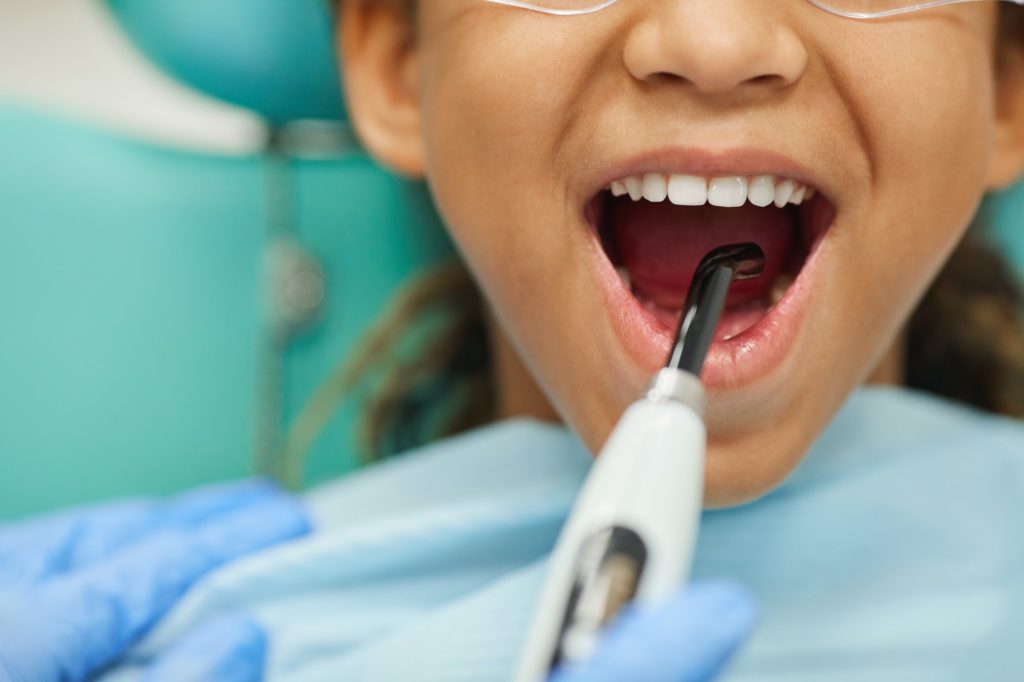
When this pulp gets damaged, infected or inflamed, various pulp therapy procedures can be performed to save the dying tooth and relieve your child’s pain. Pulp therapy is also an excellent way to prevent a decayed tooth from needing a full extraction.
Pulp therapy is also called a baby root canal. It is just like a root canal, only more shallow and performed on primary (baby) teeth.
If your child has nerve damage and needs pulp therapy, they might experience:
- Constant toothaches or pain in the mouth
- Sensitivity to sweet foods
- Sensitivity to hot and cold temperatures
- Tenderness when touching the tooth
Keep in mind, a child’s pulp might still be diseased or decayed and not feel any symptoms. When you take your child in for regular checkups, we will take X-rays and check for any nerve damage.
Is pulp therapy necessary?
If damaged pulp is left untreated, that can cause much bigger problems down the road such as:
- The tooth needing extracted prematurely
- The tooth falls out prematurely
- Tooth decay can spread
If a baby tooth falls out prematurely, that could cause your child’s adult teeth to erupt in the wrong place or become crooked. If a tooth with diseased pulp needs extracted, more orthodontic treatments might be needed (like a space maintainer). In either case, baby teeth are still needed for proper chewing and speaking.
Most importantly – If your child has teeth with damaged pulp, they are probably in pain. Pulp therapy will not only save any diseased teeth, but also relieve any pain your child is likely experiencing. This is especially true if the pulp is exposed.
What causes pulp damage?
Pulp therapy can be needed when a tooth is deeply decayed, injured, inflamed or infected. This can happen if a child isn’t brushing properly, eating a nutritious diet, getting regular checkups, or receiving regular fluoride treatments.
Different types of pulp therapy
There are two types of pulp therapy for children: a pulpotomy and pulpectomy.
A pulpotomy removes only a portion of the pulp in order to preserve healthy pulp, and prevent tooth decay from spreading.
A pulpectomy removes all diseased pulp, including the entire pulp chamber and roots.
For each procedure, we might use nitrous oxide as a light sedative, or general anesthesia.
Questions for Dr. Jobe or the Kids Smiles Pediatric Dentistry team?
Dr. Kelly Jobe and the team at Kids Smiles Pediatric Dentistry are committed to providing the best pediatric dental care in the greater St. Louis, MO area! Please contact us with any questions regarding your kid’s dental health, we are here to help!
FAQs
Pulp therapy is a dental procedure used to treat a tooth when the pulp, the soft tissue inside the tooth containing nerves, blood vessels, and connective tissue, has been damaged, infected, or inflamed. The goal is to remove the diseased tissue, relieve pain, and save the tooth from extraction. At Kids Smiles Pediatric Dentistry in St. Louis, Dr. Kelly Jobe performs pulp therapy on both baby teeth and young permanent teeth to help preserve your child’s smile and prevent more serious dental problems from developing.
Pulp therapy is often referred to as a baby root canal because it follows a similar concept to an adult root canal. The key difference is that pulp therapy is performed on primary or young permanent teeth and is generally less extensive than a full adult root canal. Depending on how much of the pulp is affected, only a portion of the pulp may need to be removed rather than the entire root canal system. The procedure is well-tolerated by children and has a strong track record of success.
There are several symptoms that may indicate pulp damage or infection. These include persistent toothaches or mouth pain, sensitivity to sweet foods, sensitivity to hot or cold temperatures, and tenderness when touching a specific tooth. That said, it is important to know that damaged or diseased pulp does not always cause noticeable pain. Some children show no symptoms at all, which is one of the reasons regular checkups and X-rays at our St. Louis office are so important for catching problems before they worsen.
The most common cause is deep tooth decay that has progressed far enough to reach the inner pulp of the tooth. Dental injuries, such as a hard blow to the mouth, can also damage the pulp even when there is no visible crack or break in the tooth. Inflammation and infection can develop when decay goes untreated, when oral hygiene habits are inconsistent, or when a child is not receiving regular fluoride treatments and professional cleanings. Early and consistent dental care is the best way to prevent pulp damage from occurring in the first place.
These are the two types of pulp therapy used for children. A pulpotomy removes only the damaged or infected portion of the pulp in the crown of the tooth, leaving the healthy root pulp intact. This approach is used when the damage is limited and the remaining pulp tissue can still support the tooth. A pulpectomy is a more complete removal of all the pulp, including the tissue in the root canals, and is used when the infection or damage has spread throughout the entire tooth. Dr. Jobe will recommend the appropriate type based on the extent of your child’s condition.
Yes, pulp therapy is a safe and common procedure in pediatric dentistry. It is performed under local anesthesia so your child does not feel pain during the treatment. Nitrous oxide may also be offered to help ease any anxiety. The procedure is designed to be as comfortable as possible, and most children tolerate it very well. After treatment, a crown is typically placed over the tooth to protect it and restore full function. The combination of pulp therapy and a crown gives the tooth the best chance of remaining healthy until it falls out naturally.
Leaving diseased or damaged pulp untreated can lead to serious consequences. The infection can spread to neighboring teeth and the surrounding bone. The affected tooth may need to be extracted prematurely, which can cause the remaining teeth to shift and the permanent teeth to come in at the wrong position or angle. Early tooth loss can also affect your child’s ability to chew and speak properly, and may create the need for additional orthodontic treatment down the road. Pulp therapy is often the best way to avoid all of these outcomes.
If your child is experiencing tooth pain, sensitivity, or has been told they may need pulp therapy, the team at Kids Smiles Pediatric Dentistry is here to help. Dr. Kelly Jobe and our St. Louis team will evaluate your child’s tooth thoroughly and recommend the most conservative treatment possible to save the tooth and relieve discomfort. Call us at (314) 270-5817 or book an appointment online. Our office is located at 9735 Landmark Parkway Dr., Suite 16, St. Louis, MO 63127.
Have more questions about your child’s dental health? Contact St. Louis, MO’s award-winning Pediatric Dentist, Dr. Kelly Jobe!
What Our Patients Say
Dr. Kelly Jobe & her staff are passionate about providing the best pediatric dental care in St. Louis, MO!

 Samantha GlennOctober 18, 2026
 Love this office! The ladies are wonderful. They like to try and do de tal visits without parents in the back room, I just tell them I'll be with my daughter the entire time and they are accommodating.
 Miranda JulietteOctober 16, 2026They are very friendly and are the best at not making the dentist a scarry place
 Kayla PayneOctober 16, 2026Very friendly and kind and great work.
 Merii H.October 15, 2026Amazing staff & doctor. Very pleased & highly recommend them.
 Sarah BenderOctober 13, 2026Dr. Jobe and her staff are awesome! My kids always feel comfortable at their appointments.Google rating score: 4.9 of 5, based on 910 reviews
Stay connected with Kids Smiles
Stay connected with Kids Smiles
Quick Links
Contact Info
-
Kids Smiles Pediatric Dentistry
9735 Landmark Parkway Dr.
Suite #16 St. Louis, MO 63127 - (314) 270-5817
- info@kidssmilesdentist.com
© Copyright Kids Smiles Pediatric Dentistry. All rights reserved. Privacy Policy.