Understanding When a Child’s Toothache Requires Immediate Attention
As a parent, it’s often challenging to determine whether your child’s discomfort is a minor issue or a sign of a more serious problem. Toothaches are common in children, but they can be a source of significant distress for both the child and the parent. Knowing when a toothache is a dental emergency can help ensure your child receives the appropriate care promptly.
In this post, we will explore the causes of toothaches in children, signs that indicate a dental emergency, and steps you can take to manage the situation. We will also discuss preventative measures to help protect your child’s dental health.
Common Causes of Toothaches in Children
Toothaches in children can arise from a variety of causes. Identifying the root cause is crucial for determining the appropriate course of action. Here are some common reasons your child might experience a toothache:
- Cavities: Tooth decay is a prevalent issue among children and can lead to cavities. These cavities can cause significant pain, especially if they reach the inner layers of the tooth.
- Gum Disease: Gingivitis or other gum-related issues can cause pain and discomfort. Swollen or bleeding gums might accompany a toothache caused by gum disease.
- Dental Abscess: An abscess is a pocket of pus caused by bacterial infection. It can cause intense pain, swelling, and even fever, requiring immediate dental attention.
- Tooth Fracture: Children are active, and accidents happen. A chipped or fractured tooth can cause severe pain and sensitivity.
- Teething: For younger children, teething can cause discomfort and pain as new teeth break through the gums.
Identifying a Dental Emergency
While some dental issues can wait for a regular dentist appointment, others may require immediate attention. Here are signs that your child’s toothache might be a dental emergency:
- Severe Pain: If your child experiences intense, persistent pain that does not improve with over-the-counter pain medication, it might be a sign of a serious issue.
- Swelling: Swelling in the face or jaw can indicate an infection, which could potentially spread if not treated promptly.
- Fever: A fever accompanying a toothache is a sign of infection and should be addressed immediately.
- Persistent Bleeding: If your child’s gums are bleeding and do not stop, it could signal an underlying problem.
- Loose Teeth: While baby teeth are meant to fall out, if a permanent tooth is loose, it requires immediate dental evaluation.
In these circumstances, it is essential to contact your dentist or an emergency dental service to evaluate the situation and provide necessary treatment.
Immediate Steps to Take for a Child’s Toothache
If your child is experiencing a toothache, there are several steps you can take to alleviate their discomfort while awaiting professional care:
- Rinse with Saltwater: Have your child rinse their mouth with warm saltwater. It can help reduce inflammation and cleanse the area.
- Cold Compress: Apply a cold compress to the outside of the cheek to reduce swelling and numb the area.
- Pain Relief: Administer an age-appropriate dose of over-the-counter pain relief medication, such as ibuprofen or acetaminophen, to help manage pain.
- Maintain Oral Hygiene: Ensure your child continues to brush and floss their teeth gently, avoiding the affected area if it causes discomfort.
- Avoid Certain Foods: Encourage your child to avoid hard, sweet, or sticky foods that might exacerbate the pain.
Preventative Measures for Children’s Dental Health
Preventing dental issues is always preferable to treating them. Here are some preventative measures to help maintain your child’s oral health:
- Regular Dental Checkups: Schedule dental visits every six months to catch potential issues early and keep their teeth clean.
- Healthy Diet: Encourage a diet rich in fruits, vegetables, and dairy products to provide essential nutrients for dental health. Limit sugary snacks and drinks.
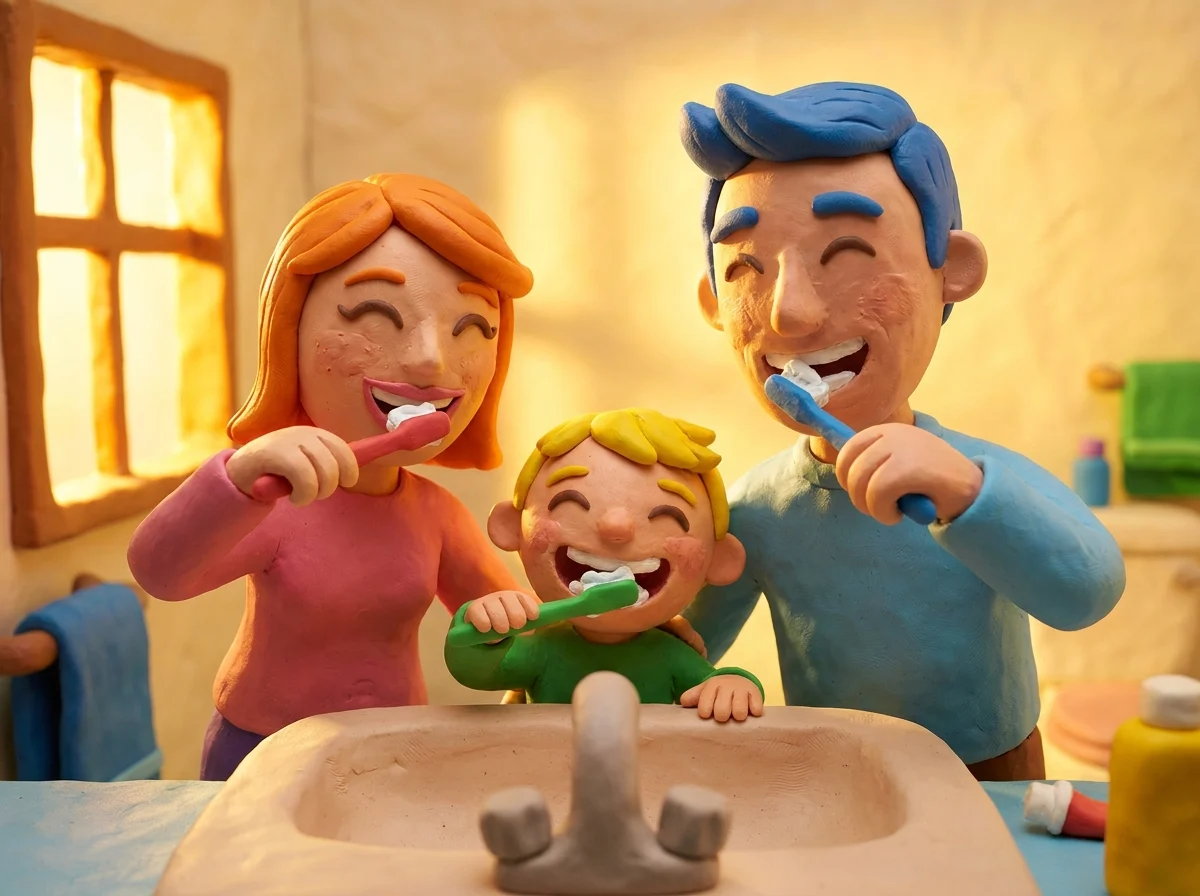
- Proper Brushing Techniques: Teach your child to brush their teeth twice daily using fluoride toothpaste, focusing on all surfaces.
- Flossing: Help your child floss daily to remove plaque and food particles from between teeth.
- Use of Mouthguards: If your child participates in sports, ensure they use a mouthguard to protect their teeth from injury.
These steps can significantly reduce the risk of dental emergencies and keep your child’s teeth healthy and strong.
When to Consult a Dentist
Even if your child‘s toothache does not seem like an emergency, it’s important to consult a dentist if the pain persists or recurs. A professional evaluation can help determine the underlying cause and prevent future issues.
Additionally, if your child experiences frequent toothaches or has a history of dental problems, it’s wise to discuss these concerns with your dentist to develop a comprehensive care plan.
Takeaways
Understanding the signs of a dental emergency and knowing how to respond can help you alleviate your child’s discomfort and protect their oral health. While not all toothaches require immediate attention, severe symptoms such as intense pain, swelling, or fever should prompt a visit to the dentist. By following preventative measures and maintaining regular dental checkups, you can help ensure your child’s smile remains healthy and bright.
For more information on managing dental health and emergencies, consider exploring resources from reputable dental associations and health organizations, such as the American Dental Association, healthfinder.gov, and the National Institute of Dental and Craniofacial Research.
Recognizing the Psychological Impact of Toothaches in Children
It’s crucial to acknowledge that a child’s toothache can have psychological effects, influencing their mood and behavior. Pain, especially if persistent, can lead to irritability, difficulty concentrating, and disrupted sleep patterns. Understanding these impacts can help parents provide better support to their child during such times.
Children may become withdrawn or express reluctance to engage in daily activities, including school. The discomfort can hinder their ability to focus on studies or participate in social interactions, which can affect their emotional well-being.
Parents should pay attention to these behavioral changes and communicate openly with their child, offering reassurance and empathy. Encouraging your child to express how they feel and discussing their pain can foster a supportive environment, helping to alleviate some of the stress associated with the toothache.
Exploring Professional Treatments for Childhood Toothaches
When a dental professional evaluates a child’s toothache, they consider several treatment options based on the underlying cause. Understanding these treatments can provide peace of mind to parents and prepare them for what to expect during a dental visit.
- Fillings: For cavities, a dentist might recommend fillings to restore the tooth. This involves removing the decayed portion and filling it with a suitable material, such as composite resin.
- Pulp Therapy: If the decay has reached the tooth’s pulp, pulp therapy may be necessary. This treatment removes the infected pulp to preserve the tooth.
- Extraction: In cases where a tooth is severely damaged or decayed, extraction might be the best option. This is more common for baby teeth that will naturally be replaced.
- Antibiotics: If an infection is present, a course of antibiotics may be prescribed to eliminate the bacteria and prevent further complications.
Each treatment aims to eliminate pain and restore the function and health of the child’s teeth. Communication with your child’s dentist can help you better understand the proposed treatments and their benefits.
Educational Resources for Parents
Staying informed about dental health is key to preventing and managing toothaches. Numerous resources provide valuable information for parents seeking to enhance their understanding of children’s oral health.

Organizations like the Centers for Disease Control and Prevention offer comprehensive guides on oral hygiene practices, dietary recommendations, and preventive care. These resources can empower parents to make informed decisions regarding their child’s dental health.
Additionally, many dental offices provide educational materials and workshops tailored to parents, covering topics such as proper brushing techniques, understanding fluoride’s role, and the importance of dental checkups. Engaging with these resources can help you foster a proactive approach to your child’s oral health.
Developing a Dental Emergency Plan
Preparation is key when it comes to handling dental emergencies. Having a clear plan can reduce stress and ensure that you respond effectively should your child experience a dental issue requiring urgent attention.
Begin by identifying a trusted dentist or emergency dental clinic that offers after-hours services. Keep their contact information readily accessible, and ensure you understand their procedures for handling emergencies. Discuss emergency protocols with your child, emphasizing the importance of staying calm and reaching out for help immediately.
Additionally, create a basic dental first aid kit containing items such as gauze, a small container for storing lost teeth, and over-the-counter pain relievers. Having these supplies on hand can be invaluable in managing a dental emergency until professional help is available.
Encouraging a Positive Attitude Towards Dental Visits
Fostering a positive perception of dental visits is crucial for encouraging children to maintain their oral health. Many children fear dental appointments due to anxiety or previous negative experiences. By addressing these concerns, you can help your child view dental visits as a normal and essential part of their health routine.

One effective strategy is to start dental visits early in your child’s life, making them a familiar and routine activity. Discuss upcoming dental appointments positively, highlighting the benefits of maintaining healthy teeth and gums. You can also read books or watch videos about dental visits to demystify the experience.
Additionally, consider involving your child in the process by allowing them to ask questions and express any fears they might have. Dentists trained in pediatric care often have techniques to help children feel at ease, such as using child-friendly language and providing explanations of procedures in an understandable manner.
Proactive Steps for Long-Term Dental Health
Ultimately, understanding when a child’s toothache is a dental emergency and knowing how to respond can make a significant difference in their overall health and well-being. By recognizing the signs of an emergency, taking immediate steps to manage pain, and consulting with a dental professional, you can ensure your child receives the care they need.
Preventative measures play a critical role in reducing the occurrence of dental emergencies. Regular checkups, a balanced diet, and proper oral hygiene practices are foundational elements in promoting long-term dental health. By equipping yourself with the right knowledge and resources, you can help your child develop healthy habits that will benefit them throughout their life.
For further reading and support, consult reputable dental organizations and health resources to stay informed about best practices in pediatric dental care. By staying proactive, you contribute to a healthier, happier future for your child’s smile.
Need help with How to Know If Your Child’s Toothache Is a Dental Emergency?