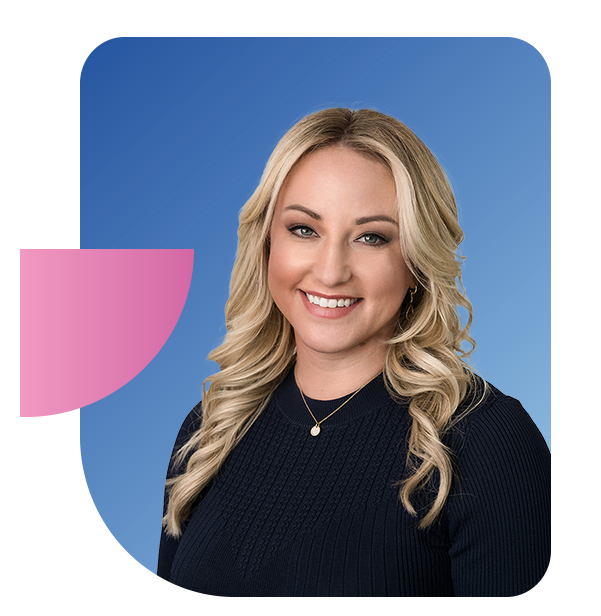
Dr. Kelly is dedicated to creating a positive experience for each of her patients and their families. She believes in being sensitive to each child’s unique needs, while also providing a caring atmosphere. Dr Kelly loves being a dentist! She regularly attends continuing education courses to sharpen her skills and learn new ones. She enjoys bringing new technology to the practice to improve the experience of her patients and staff. Dr. Kelly is also involved with and on the board of Give Kids a Smile, a nonprofit organization providing free dental care to kids in need. She has been among the ‘Top Dentists’ chosen by peers and featured in St. Louis Magazine for the past four years.
Outside of the office, she loves spending time with her family and friends. Her husband, Jeff, is a structural engineer and likes doing anything outdoors. Together with their kids, Peyton and Jackson, they like to keep the weekends busy. They enjoy traveling and taking in any St. Louis sports.
Dr. Kelly and Dr. Jane on Fox 2 for Remarkable Women Wednesday
A Patient's Journey: Kid
A Patient's Journey: Infant
A Look Inside Our Office
What Our Patients Say
Dr. Kelly Jobe & her staff are passionate about providing the best pediatric dental care in St. Louis, MO!
Sarah Bender
October 13, 2026
Dr. Jobe and her staff are awesome! My kids always feel comfortable at their appointments.
Melanie Holifield
October 10, 2026
My kids and I love the entire staff here.
Telisha Davis
October 8, 2026
Great Dentist. My son feels very comfortable . Staff very friendly and professional. Highly recommended. I drive 30 mins that’s lets you know it’s a great dentist experience
Kat Rojas
October 8, 2026
Everyone at this office is so nice! My three year old had a great first visit and was totally comfortable here! Highly recommend!
Thekra Campbell
October 7, 2026
Best dentist I have taken my kids. Everyone is super nice
Gentle Care, Healthy Smiles: Where Kids Love Going to the Dentist
We’re passionate about providing the best pediatric dental care in St. Louis, MO
Exams and Cleanings
Regular cleanings and exams are a critical part of keeping your child’s teeth healthy. Establishing a regular exam schedule is integral to lifelong dental health.
Why Choose Kids Smiles Pediatric Dentistry In St. Louis
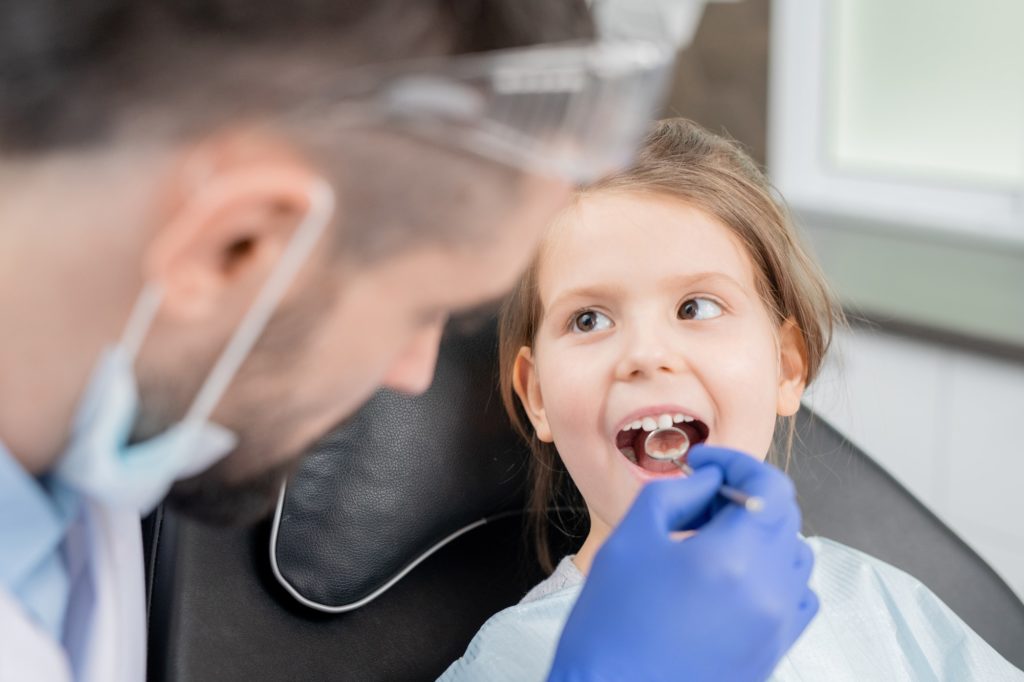
Dr. Kelly Jobe and her team at Kids Smiles Pediatric Dentistry, in St. Louis, MO, treat every child as their own. We believe every child deserves great, minimally invasive dental care. We provide the highest standard of care at each visit with the latest technology. Our caring doctors and staff treat each child as an individual so their unique needs are understood and met. We want your child to feel comfortable at their dental home. We want them to be as excited to see us as we are to see them!
Kid-Friendly
Everything in our practice was designed with a child’s interest in mind.
A Fun Dental Visit
When you enter Kids Smiles Pediatric Dentistry you will find a colorful, warm, and exciting environment. We offer games for
the kids and a work station for the parents.
Safe & Healthy
We strive to prevent dental disease through
education, communication, and great relationships with our families.
Contact Us For More Information
KIDS SMILES is a modern, fun, and safe environment for children of all ages to receive and experience the highest quality of dental care available. We believe in shaping a positive experience for your child so they look forward to and love coming to the office!
Kids Smiles Pediatric Dentistry 9735 Landmark Parkway Dr. Suite #16 St. Louis MO 63127
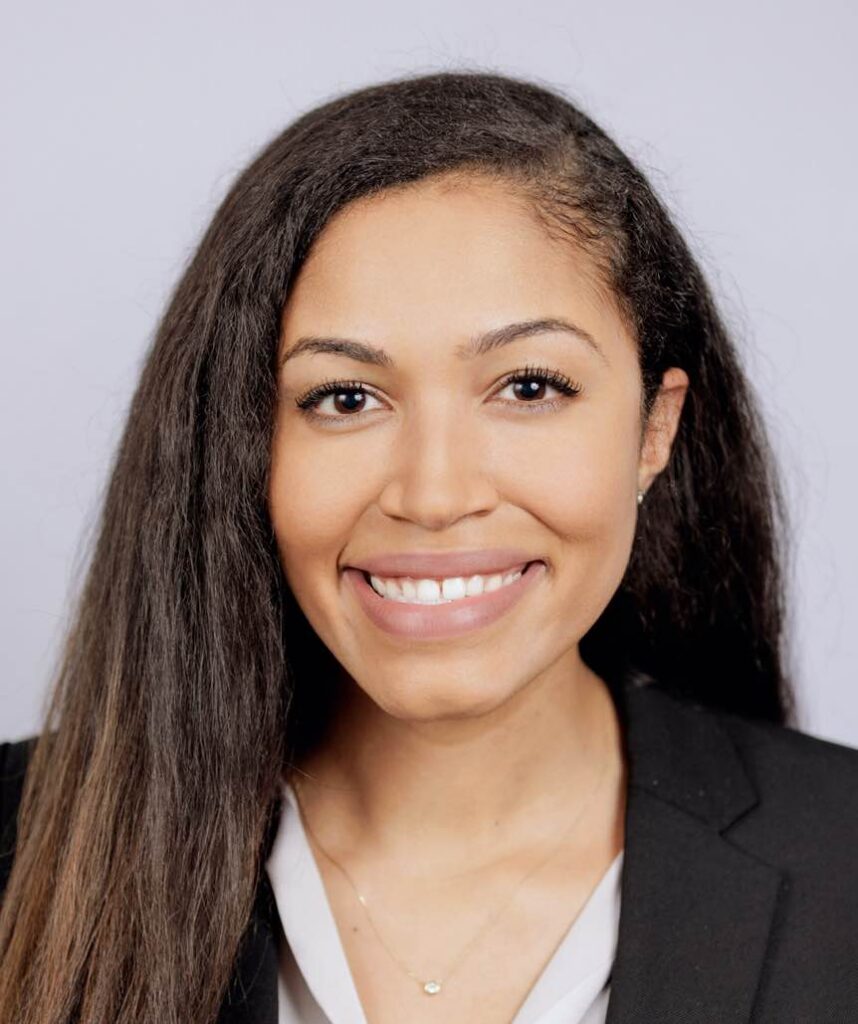
We’re excited to welcome Dr. Imani Hearns to the Kids Smiles Pediatric Dentistry family! Dr. Imani is passionate about creating positive dental experiences for children and helping every patient feel comfortable, confident, and cared for. She believes in providing compassionate, comprehensive care while building lasting relationships with children and their families.
Originally from San Jose, California, Dr. Imani earned her bachelor’s degree in Nutrition and her Doctor of Dental Medicine degree from Case Western Reserve University before completing her pediatric dental specialty training and a master’s degree in Oral Sciences at the University of Illinois Chicago.
When she’s not caring for patients, Dr. Imani enjoys spending time with her family, exploring local neighborhoods, parks, and restaurants.